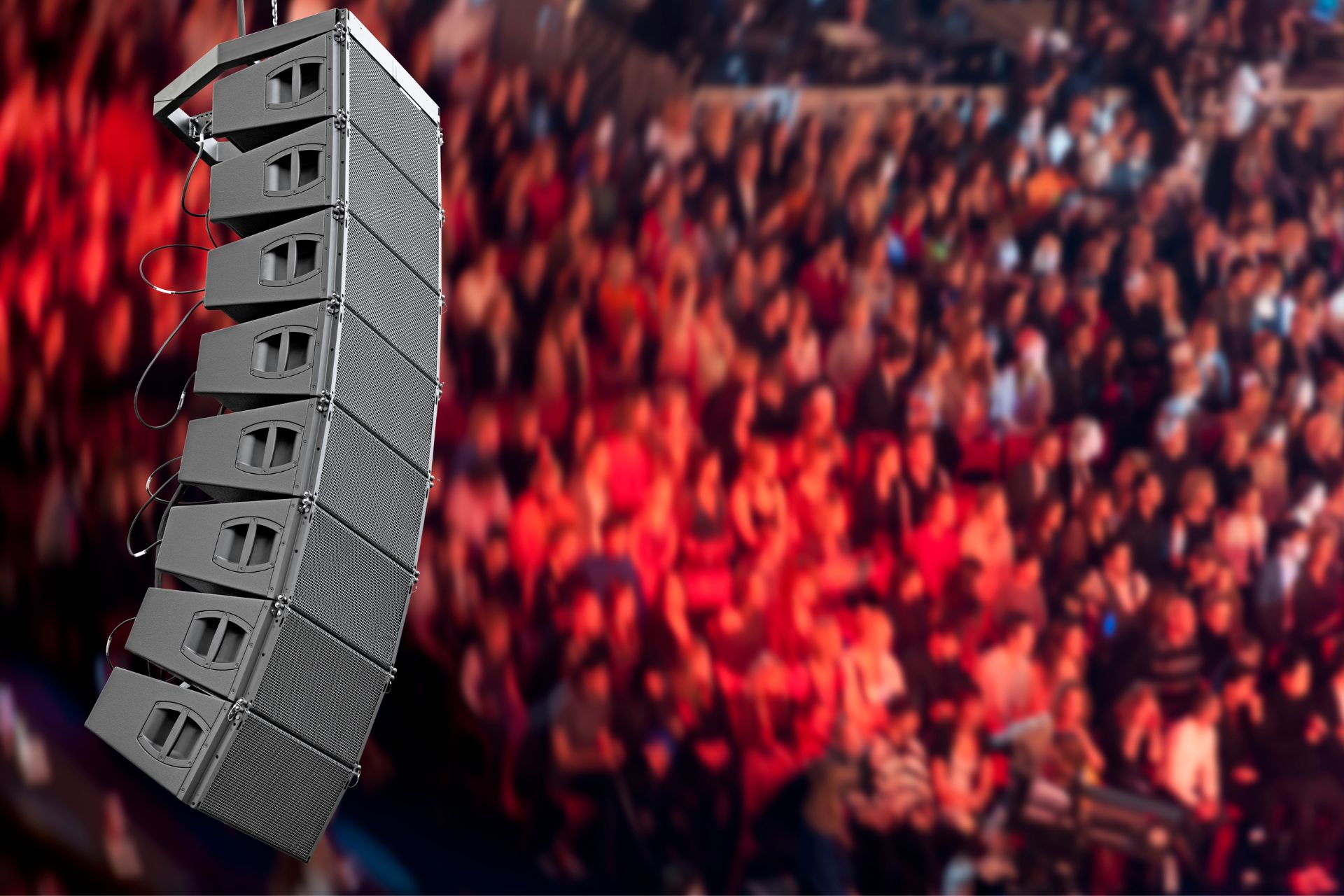
How Audio Ambience Shapes In-Store Customer Behavior

How Audio Ambience Shapes In-Store Customer Behavior

Discover how audio ambience shapes in-store customer behavior and influences purchasing decisions. This exploration delves into the impact of soundscapes on shopper experiences and engagement levels.

How does the tempo of background music influence consumer dwell time in retail environments?

The tempo of background music in retail environments plays a significant role in influencing consumer dwell time, which refers to the amount of time shoppers spend browsing within a store. Research indicates that slow-tempo music often creates a relaxed atmosphere, encouraging customers to linger longer among products and explore various aisles more thoroughly; this leisurely pace can enhance their shopping experience by making them feel at ease while they browse through offerings like clothing, electronics, or groceries. Conversely, fast-paced music tends to generate an upbeat energy that may prompt quicker decision-making but could also lead consumers to shorten their stay as they rush through selections. The genre and volume of the background music also contribute significantly; for instance, ambient tunes might make shoppers feel comfortable enough to engage deeply with merchandise displays without feeling hurried. Additionally, seasonal themes—such as cheerful holiday songs during festive periods—can evoke positive emotions and nostalgia that promote longer visits as consumers seek out gifts and special items associated with these occasions. Ultimately, understanding how different tempos affect mood and behavior can help retailers design strategic soundscapes that create optimal engagement levels while maximizing sales opportunities within physical spaces such as boutiques or supermarkets.

For businesses looking to enhance their brand presence, commercial music services in Phoenix can provide high-quality audio solutions that resonate with audiences. By utilizing these services, companies can elevate their marketing efforts and create a memorable experience for customers through tailored soundtracks. To explore how these music solutions can benefit your business further, visit insights on how background audio shapes customer experience

In what ways do specific sound frequencies affect shopper mood and purchasing decisions within stores?

Specific sound frequencies can significantly influence shopper mood and purchasing decisions within retail environments by creating an atmosphere that either encourages or discourages spending. Research shows that lower frequencies, such as soothing ambient sounds like deep bass music, often promote relaxation and comfort among shoppers, leading to longer store visits and increased likelihood of making impulse purchases. Conversely, higher frequencies can generate feelings of excitement but may also induce stress if played at excessive volumes; this balance is crucial for optimizing the shopping experience. For instance, stores might use calming melodies with a slow tempo to encourage leisurely browsing while strategically placing upbeat tracks near checkout areas to create urgency for last-minute buys. Additionally, certain frequency ranges have been shown to enhance product perception—soft background tunes can improve consumer attitudes towards brands by associating them with positive emotional responses like happiness or nostalgia. Furthermore, studies indicate that specific genres of music resonate differently depending on demographics: younger audiences might respond better to contemporary pop styles while older generations lean towards classic hits. This tailored approach allows retailers to manipulate auditory stimuli effectively in order not only to attract shoppers but also retain their attention long enough for conversion into actual sales—a critical factor in today's competitive marketplace where sensory marketing plays a vital role in influencing human behavior through multisensory engagement strategies encompassing sight, sound, and even smell.

What role does ambient noise level play in perceived product value during a shopping experience?

Ambient noise level significantly impacts perceived product value during a shopping experience by influencing customer emotions, decision-making processes, and overall satisfaction. When the sound environment is moderate or pleasantly stimulating—such as soft background music or gentle chatter—it can create a positive ambiance that enhances shoppers' mood and encourages them to linger longer in stores. This extended dwell time often leads to increased engagement with products, allowing customers to appreciate their features more fully; consequently, they may perceive higher quality and greater value in these items. Conversely, excessive noise levels can induce stress or distraction among consumers, reducing their ability to focus on product details while diminishing feelings of comfort and enjoyment within the retail space. Such negative experiences can lead buyers to undervalue products due to heightened anxiety or frustration stemming from an overwhelming sensory environment. Moreover, studies suggest that certain types of ambient sounds—like nature sounds versus urban clamor—can evoke different emotional responses which further influence consumer perceptions about brand identity and luxury positioning. Therefore, retailers must consider strategic management of ambient noise through curated playlists or designed spatial acoustics when creating shopping environments aimed at optimizing perceived value for their offerings while ensuring a memorable experience for customers navigating through various aisles filled with potential purchases.

How can retailers strategically use soundscapes to enhance brand identity and customer loyalty?

Retailers can strategically use soundscapes to create a distinctive brand identity and foster customer loyalty by carefully selecting auditory elements that resonate with their target audience. By utilizing background music, ambient sounds, and themed audio effects tailored to the shopping experience, retailers can evoke specific emotions and atmospheres that align with their brand values. For instance, a high-end boutique might employ soft classical music coupled with subtle nature sounds to enhance feelings of luxury and tranquility, while an athletic store could opt for upbeat pop or electronic tracks to energize customers as they browse products. Additionally, incorporating local cultural sounds or seasonal audio themes can make the retail environment feel more personalized and relevant; this not only reinforces community ties but also fosters emotional connections between customers and the brand. The strategic implementation of sound design extends beyond mere entertainment; it influences customer behavior by encouraging longer dwell times in-store or enhancing product recollection through melodic branding techniques. When shoppers associate positive experiences created by these curated soundscapes with particular brands—such as feeling relaxed while exploring clothing racks—they are more likely to develop long-term loyalty towards those retailers due to the memorable multisensory engagement provided during each visit. Overall, when executed thoughtfully within marketing strategies alongside visual merchandising efforts like color schemes and layout designs, effective use of soundscapes becomes an invaluable tool for building a cohesive brand identity that resonates deeply within consumers’ minds over time.

What impact does genre-specific audio have on impulse buying behavior among different demographics?

Genre-specific audio significantly influences impulse buying behavior across various demographic groups by creating an emotional atmosphere that resonates with consumers on a personal level. For instance, upbeat pop music often energizes younger shoppers, prompting spontaneous purchases driven by the excitement and thrill of shopping in trendy retail environments. In contrast, classical music tends to appeal to older demographics who may associate it with sophistication and calmness; this genre can encourage more thoughtful purchasing decisions but still lead to impulsive buys when combined with promotional offers or limited-time discounts. Moreover, ambient sounds like nature noises can enhance relaxation in stores aimed at wellness products, increasing the likelihood of unplanned spending among health-conscious individuals. Studies suggest that specific genres not only affect mood but also alter perceptions of time spent shopping; while fast-paced tracks might result in quicker decision-making for millennials eager for immediate gratification, slower tempos could prompt reflection and ultimately higher-value purchases from baby boomers seeking quality over quantity. Additionally, cultural context plays a crucial role as certain musical styles resonate differently within diverse ethnic backgrounds—what motivates one group may deter another based on their unique associations with particular soundscapes or rhythms. Thus, retailers strategically curate auditory experiences tailored to each segment's preferences and behaviors to maximize engagement levels and drive sales through enhanced sensory stimulation during the consumer journey.

Frequently Asked Questions

The tempo of background music significantly influences customers' shopping duration in retail environments by shaping their emotional responses and overall shopping experience. Studies indicate that fast-paced music can create a sense of urgency, prompting consumers to make quicker decisions and ultimately reducing the time spent browsing through merchandise. Conversely, slower tempos tend to relax shoppers, encouraging them to linger longer within aisles while engaging more deeply with products and displays. This prolonged exposure often leads to increased dwell time, which correlates positively with impulsive purchasing behaviors as customers feel more immersed in the ambiance created by harmonious melodies or soothing instrumentals. Additionally, the genre of music—whether it be ambient electronic beats or classical symphonies—can evoke specific moods that further impact consumer psychology; thus retailers strategically curate playlists designed not only for aesthetic appeal but also for maximizing sales potential through optimized customer engagement strategies aligned with musical characteristics like rhythm and dynamics.

Genre selection is pivotal in cultivating an inviting atmosphere that resonates with diverse target demographics, as it encompasses a wide array of thematic elements and stylistic nuances that cater to varying audience preferences. By carefully curating genres—whether it be the whimsical charm of fantasy, the gritty realism of drama, or the pulse-pounding excitement of action—creators can evoke specific emotional responses and foster engagement among distinct cultural groups. This strategic choice not only enhances relatability but also establishes a sense of belonging through shared experiences and values embedded within genre conventions. Additionally, employing sub-genres such as magical realism or psychological thriller allows for nuanced storytelling that appeals to niche audiences while simultaneously broadening accessibility through familiar tropes. Ultimately, genre serves as both a beacon and bridge for inclusivity, enabling creators to connect authentically with their intended demographic by reflecting their unique narratives and aspirations in an accessible framework.

Ambient soundscapes, including the serene sounds of nature or the dynamic rhythms of urban noise, significantly influence consumer emotions and purchasing decisions by creating an immersive auditory environment that affects mood and behavior. Research indicates that natural soundscapes can evoke feelings of tranquility and relaxation, enhancing consumers' overall shopping experience in retail spaces designed to mimic outdoor environments. Conversely, urban noise may elicit a sense of excitement or urgency that could accelerate decision-making processes in fast-paced settings like cafes or markets. The interplay between these auditory elements and factors such as spatial design, product placement, and sensory marketing underscores their role in shaping emotional responses; thus impacting customer satisfaction levels and ultimately driving purchase intentions through enhanced engagement with brands.

Variations in audio volume significantly influence customer movement patterns within a retail store layout, as research indicates that ambient sound levels can either attract or repel shoppers. High-volume music tends to create an energetic atmosphere, which may encourage customers to engage with products and navigate towards promotional displays; however, excessive loudness can lead to discomfort and prompt quicker exits. Conversely, softer background music fosters a relaxed environment conducive to prolonged browsing and deeper engagement with merchandise. Additionally, strategically modulating audio cues during peak shopping times versus quieter periods enables retailers to guide foot traffic effectively through crucial pathways while enhancing the overall shopping experience. The interplay between auditory stimuli—such as rhythm tempo and genre—and spatial configuration also plays a pivotal role in shaping consumer behavior by influencing their emotional responses and decision-making processes within the commercial space.

The psychological effects of silence versus continuous sound on shopper behavior during peak hours reveal significant differences in consumer experience and decision-making processes. Research indicates that a tranquil environment characterized by silence can enhance focus, leading to increased dwell time as shoppers engage more thoughtfully with products, fostering deeper emotional connections and higher purchase intentions. Conversely, environments saturated with continuous sound—such as background music or ambient noise—can induce cognitive overload, resulting in hurried decisions and impulse buying due to heightened arousal levels. Additionally, the presence of rhythmic auditory stimuli may distract shoppers from product evaluation while simultaneously creating an atmosphere conducive to social interaction among consumers. Consequently, retailers must strategically consider these acoustic elements during busy periods to optimize customer satisfaction and drive sales through tailored sensory experiences that align with their brand identity and target demographic preferences.

How Audio Ambience Shapes In-Store Customer Behavior

How Audio Ambience Shapes In-Store Customer Behavior

Contact Us

Commercial AV Services

  • Address: 2432 W Peoria Ave Suite 1204 Phoenix, AZ 85029
  • Phone: (602) 626-5800
  • Email: commercialavservices@mail.com

© Copyright - All Rights Reserved